
In the 17th century, Gaspar Escolano made a description of the coasts of the Kingdom of Valencia. He describes different sources of fresh water along the coast. In Peñiscola (Province of Castellon), he mentions a source near where the waves break that became saline and then returned to fresh water, being one of the first documented mentions of coastal salinization and its reversal. In the province of Valencia, the Albufera was a lagoon of sea water connected to the sea that had fresh water springs, used by fishermen. Today, some springs called “ullals” are still active and already pour into a coastal lagoon of fresh water. Finally, in Alicante, he mentions the Agua Dulce
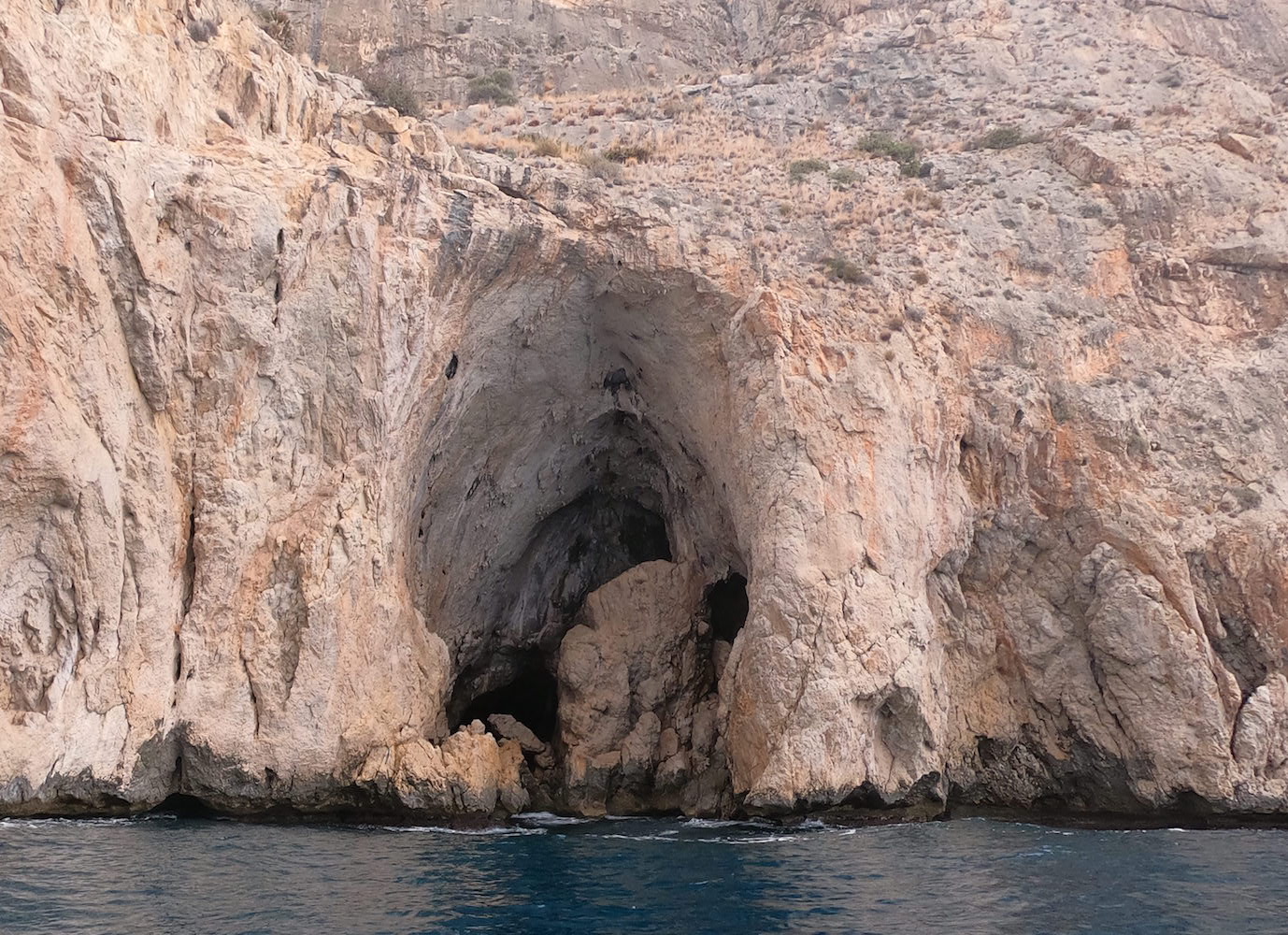
cove in Denia and the sandbank of Rio Seco, while he describes the important coastal spring of the Morro de Toix cliff, now mainly inactive. This information from 400 years ago allows us to know the coasts before the great anthropic modification of the 20th century.
Cite as: Tent-Manclús, J. E., Bonomo, D., Jordá, J. D., Navarro Pedreño, J. y Jordán, M. M. (2025). Las surgencias de agua dulce en la costa de la Comunidad Valenciana (España) a partir de la descripción de la costa de Gaspar Escolano (siglo XVII). Geogaceta, 78: 39-42.https://sge.usal.es/archivos/geogacetas/geo78/geo78_p_35_38.pdf